Starting a house cleaning business in 2026 is one of the most practical ways to enter the service industry with relatively low startup costs and strong ongoing demand. As more households prioritize convenience, dual-income families grow, and short-term rentals continue to expand, professional cleaning services remain essential. This guide explains exactly how to start a house cleaning business in 2026, from planning and legal setup to pricing, marketing, and long-term growth.
Why the House Cleaning Business Is Still Profitable in 2026
House cleaning is a recession-resistant service. People may cut back on luxury spending, but clean homes remain a necessity for health, comfort, and property value.
In 2026, demand is driven by busy professionals, aging homeowners, rental turnover, and remote work lifestyles that keep people at home more often.
The business also offers flexibility. You can start solo, scale gradually, and choose residential, commercial, or specialty cleaning niches.
Decide What Type of Cleaning Business You Want
Before spending money or registering a business, define your focus.
Residential cleaning involves routine house or apartment cleaning for homeowners and renters.
Deep cleaning focuses on detailed, one-time jobs such as seasonal resets.
Move-in and move-out cleaning targets renters, landlords, and property managers.
Short-term rental cleaning serves Airbnb and vacation rental hosts.
Choosing a niche helps you price services accurately and market more effectively.
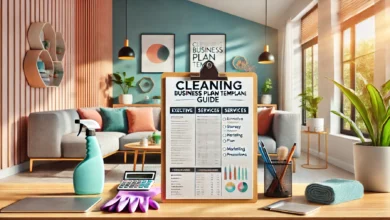
Create a Simple Business Plan
You don’t need a complex business plan, but you do need clarity.
Define your services, target customers, service area, pricing strategy, and monthly income goals.
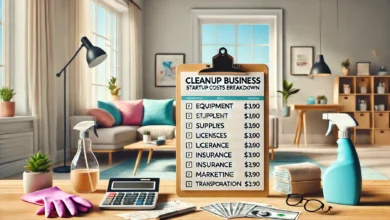
Estimate startup costs, expected expenses, and how many clients you need to break even.
A clear plan helps you avoid underpricing and makes growth decisions easier later.
Choose a Business Name and Structure
Your business name should be simple, professional, and easy to remember.
Many cleaning businesses use names that include words like “clean,” “home,” or “services” to clearly communicate what they do.
Common business structures in 2026 include sole proprietorships and limited liability companies (LLCs).
An LLC is often recommended because it offers personal liability protection and looks more professional to clients.
Register Your Business and Get Licenses
Register your business according to your local and state requirements.
This usually involves registering your business name, obtaining a tax identification number, and applying for any required local licenses.
Some cities require a basic business license even for home-based cleaning businesses.
Always check local regulations to stay compliant from the start.
Get Insurance and Bonding
Insurance is not optional if you want to operate professionally.
General liability insurance protects you if you damage a client’s property.
If you hire employees, workers’ compensation insurance is typically required.
Bonding protects clients against theft and builds trust, especially with first-time customers.
Being insured and bonded is a major selling point in 2026.
Set Your Cleaning Prices Correctly
Pricing is one of the biggest challenges for new cleaning businesses.
In 2026, most residential cleaners charge using flat-rate pricing, hourly rates, or square-foot pricing.
Hourly rates often range from $30 to $60 per cleaner depending on location.
Flat-rate pricing is popular for standard, deep, and move-out cleaning because it offers predictable costs.
Always calculate pricing to cover labor, supplies, insurance, travel, and profit.
Buy Cleaning Supplies and Equipment
You don’t need expensive equipment to start.
Basic supplies include vacuum cleaners, mops, microfiber cloths, disinfectants, glass cleaners, and gloves.
Choose professional-grade supplies for better efficiency and results.
Over time, you can upgrade equipment as your business grows.
Decide Whether to Work Solo or Hire Help
Many cleaning businesses start as one-person operations.
Working solo keeps costs low and helps you understand the job firsthand.
As demand grows, hiring employees or contractors allows you to take on more clients.
Hiring requires training, scheduling, payroll, and compliance with labor laws.
Create Service Checklists and Standards
Consistency is critical in the cleaning business.
Create clear checklists for standard cleaning, deep cleaning, and move-out services.
Checklists ensure clients know what to expect and help prevent misunderstandings.
They also make training easier when you bring on new cleaners.
Build a Professional Online Presence
In 2026, customers expect to find cleaning services online.
A simple website with service descriptions, pricing guidelines, and contact information is essential.
Set up a Google Business Profile so local customers can find you easily.
Online reviews play a huge role in booking decisions, so encourage satisfied clients to leave feedback.
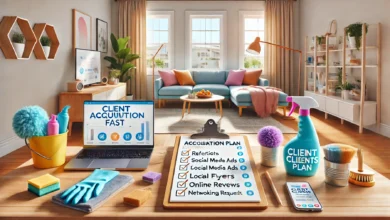
Market Your Cleaning Business Effectively
Marketing doesn’t have to be expensive.
Word-of-mouth referrals are powerful in the cleaning industry.
Flyers, door hangers, and local community groups still work well for residential services.
Online marketing through local search listings and social media builds visibility over time.
Consistency matters more than flashy campaigns.
Manage Scheduling and Payments Efficiently
Use simple scheduling tools or apps to manage appointments.
Clear communication reduces cancellations and confusion.
Offer convenient payment options such as credit cards, bank transfers, or online invoicing.
Reliable scheduling and easy payment build professionalism and trust.
Deliver Excellent Customer Service
Customer service is a major competitive advantage.
Arrive on time, communicate clearly, and deliver consistent results.
Respond quickly to questions or concerns.
Happy clients are more likely to book recurring services and refer others.
Pros and Cons of Starting a House Cleaning Business
Pros: Low startup costs, steady demand, flexible hours, scalable growth, and recurring revenue.
Cons: Physical labor, scheduling challenges, employee turnover, and price competition.
Success depends more on management and systems than cleaning skills alone.
Common Mistakes to Avoid
Underpricing services to win clients often leads to burnout.
Skipping insurance exposes you to serious financial risk.
Failing to set boundaries with clients can create unrealistic expectations.
Not tracking expenses makes it hard to know if you’re actually profitable.
Frequently Asked Questions
How much money can I make with a house cleaning business?
Many solo cleaners earn $40,000 to $70,000 annually, while established companies can earn significantly more.
Do I need experience to start?
No formal experience is required, but attention to detail and reliability are essential.
How long does it take to get clients?
With basic marketing, many cleaners get their first clients within weeks.
Is this business scalable?
Yes. With systems and staff, cleaning businesses can grow steadily.
Conclusion
Starting a house cleaning business in 2026 is a realistic and profitable opportunity for those willing to treat it as a business rather than a side hustle. With low startup costs, strong demand, and flexible growth potential, it remains one of the most accessible service businesses available.
By choosing the right niche, setting proper pricing, securing insurance, and focusing on customer satisfaction, you can build a reliable cleaning business that grows through trust and consistency.
Whether you aim to stay solo or scale into a full cleaning company, the foundation you build today determines your long-term success.