Deep cleaning vs standard cleaning price comparison helps homeowners and renters understand why one service costs more than the other and how much they can expect to pay in 2026. While both services aim to make your home cleaner, they differ in scope, effort, and ultimately, price. Knowing these differences can help you choose the most appropriate service for your needs and budget.
Understanding the Two Service Types
Standard cleaning (also called routine or maintenance cleaning) is focused on keeping a home looking tidy and orderly. It usually includes dusting, vacuuming, sweeping, mopping, and sanitizing bathrooms and kitchens at a surface level. It’s designed for homes that are cleaned regularly and don’t require heavy scrubbing or detailed attention.
Deep cleaning goes beyond routine tasks. It targets buildup, hard-to-reach areas, and spaces often missed in standard cleanings. Tasks can include scrubbing grout, detailed kitchen and bathroom cleaning, baseboard washing, and even cleaning inside appliances or closets if specified. Because of this added effort, deep cleaning typically costs more.
Price Comparison in 2026
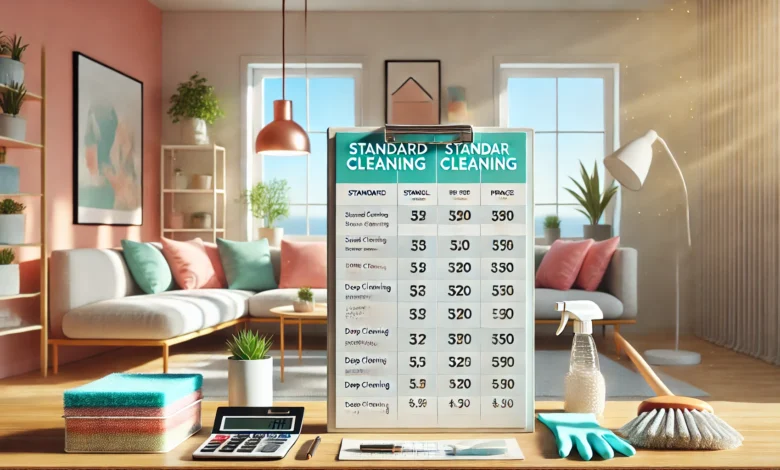
In 2026, prices vary based on home size, condition, location, and cleaning company. Below are typical price ranges for standard and deep cleaning services:
| Service Type | Typical Price Range |
|---|---|
| Standard Cleaning (One-Time) | $100 – $250 |
| Standard Cleaning (Weekly or Biweekly) | $75 – $200 per visit |
| Deep Cleaning (One-Time) | $200 – $500+ |
| Move-In / Move-Out Cleaning (Often Deep Level) | $250 – $600+ |
These ranges are general industry averages. Homes in major metropolitan areas or those with higher labor costs tend to fall toward the upper end of these ranges.
Why Deep Cleaning Costs More
There are several reasons deep cleaning costs more than standard cleaning:
1. Time and Labor
Deep cleaning takes significantly longer. While a standard clean might take a couple of hours, deep cleaning can take twice as long or more because of the detailed tasks involved.
2. Complexity of Tasks
Deep cleaning involves scrubbing, degreasing, and sanitizing areas ignored in standard cleaning. These tasks require more effort and sometimes specialized products.
3. Frequency of Service
Standard cleanings are usually scheduled regularly, such as weekly or biweekly, which keeps messes manageable. Deep cleaning is typically a less frequent, one-time service when more buildup has accumulated.
4. Home Condition
If a home hasn’t been professionally cleaned in a long time, the extra dirt, dust, and buildup increase the time and effort required, pushing prices up accordingly.
Example Cost Scenarios
The table below illustrates how costs compare for different home sizes:
| Home Size | Standard Cleaning | Deep Cleaning |
|---|---|---|
| 1,000 sq ft | $100 – $175 | $180 – $325 |
| 1,500 sq ft | $150 – $225 | $275 – $425 |
| 2,000 sq ft | $200 – $300 | $350 – $550+ |
These examples highlight how deep cleaning often costs roughly 50 %–100 % more than standard cleaning, depending on home size and condition.
What’s Included in Each Service
Standard Cleaning Typically Includes:
- Dusting accessible surfaces
- Vacuuming and sweeping floors
- Mopping hard floors
- Basic bathroom wipe-downs
- Kitchen surface cleaning
Deep Cleaning Typically Adds:
- Scrubbing baseboards and trim
- Detailed bathroom sanitation
- Degreasing kitchen areas
- Cleaning inside appliances (oven, fridge) if requested
- Attention to often-missed areas (behind appliances, under furniture)
Pros and Cons Comparison
Standard Cleaning
Pros:
- More affordable
- Ideal for regular upkeep
- Quick and efficient
Cons:
- Doesn’t tackle buildup
- May skip detailed areas
Deep Cleaning
Pros:
- More thorough
- Great for heavily soiled homes or preparation for special occasions
- Helps improve hygiene and indoor air quality
Cons:
- Higher cost
- Longer service time
When Each Service Makes Sense
Standard Cleaning works best for regular maintenance: weekly, biweekly, or monthly cleanings that keep mess manageable and spaces looking fresh. It’s ideal if you stay on top of cleaning tasks and want a consistent, budget-friendly service.
Deep Cleaning is most useful when you’re preparing for an event, recovering from a period without professional cleaning, moving in or out, or dealing with significant buildup from pets, kids, or long gaps between visits. It’s also worth considering periodically — even with regular standard cleanings — to address hidden dirt and neglected spaces.
Tips to Save on Cleaning Costs
• Schedule recurring cleanings — many cleaners offer discounted rates for ongoing service.
• Declutter before cleaners arrive — removing items reduces cleaning time and cost.
• Understand what’s included — avoid surprises by confirming exactly what tasks are part of each package.
• Compare multiple quotes — be sure you’re comparing similar service levels, not just price.
Frequently Asked Questions
Does deep cleaning always cost more than standard?
Yes — because it involves more tasks and takes more time than standard cleaning.
Should I schedule a deep clean before regular cleanings?
Many homeowners start with a deep clean to reset the home and then follow up with regular maintenance cleanings.
Can I combine services?
Yes — cleaners often allow add-ons like appliance or window cleaning for an extra fee.
Is deep cleaning better for allergy sufferers?
Yes — thorough dust removal and detailed cleaning can help reduce allergens and improve air quality.
Conclusion
Deep cleaning vs standard cleaning price comparison clearly shows why deep cleaning costs more: it requires more time, effort, and detailed work. Standard cleaning is perfect for maintaining everyday cleanliness, while deep cleaning is ideal when you want a more thorough reset or are preparing for a special occasion.
Understanding the cost differences and what each service includes helps you choose the right option for your home and budget. Whether you prioritize affordability, thoroughness, or a mix of both, this comparison gives you the insight needed to make an informed decision in 2026.