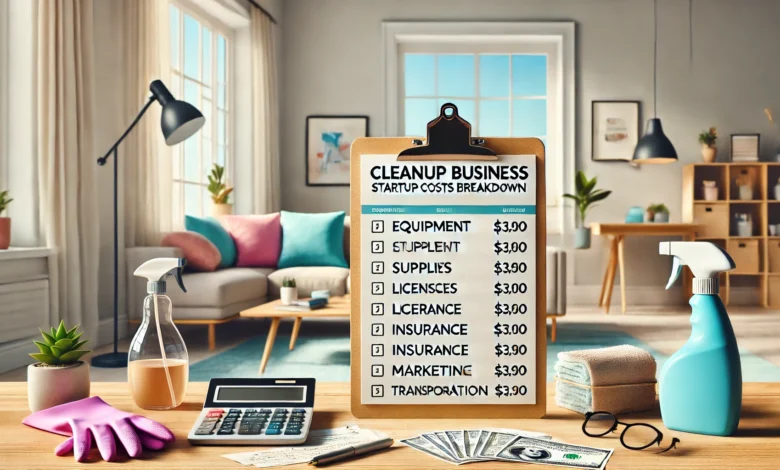
Starting a cleaning business is often described as affordable and low-risk, but that doesn’t mean it’s free. Understanding a realistic cleaning business startup costs breakdown is essential if you want to avoid surprises, price your services correctly, and build a business that lasts. In this guide, we’ll walk through every major expense you can expect when launching a residential or small commercial cleaning business in 2026, explain why each cost matters, and show how to control expenses without cutting corners.
Why Understanding Startup Costs Matters
Many new cleaning businesses fail not because there’s no demand, but because owners underestimate costs and underprice their services. When expenses add up unexpectedly, profits disappear fast.
A clear startup cost breakdown helps you:
• Set realistic pricing from day one
• Avoid cash-flow problems early on
• Decide how quickly you need clients
• Scale your business at the right pace
Even if you start small and solo, knowing the full picture keeps your business stable and professional.
Typical Total Startup Cost Range
In 2026, most small house cleaning businesses start with:
Low-budget solo startup: $500 – $1,500
Professional solo setup: $1,500 – $3,000
Small team startup: $3,000 – $7,000+
The wide range depends on whether you work alone, how professional you want to appear from day one, and how much you outsource versus do yourself.
Business Registration and Legal Setup
Before you clean your first home, you need a legal foundation.
Business Registration
Registering your business name and structure (sole proprietorship or LLC) is often your first expense.
Typical costs include:
• Business registration or filing fees: $50 – $300
• DBA (“doing business as”) registration if needed: $20 – $100
An LLC costs more upfront but offers personal liability protection and added credibility.
Licenses and Permits
Some cities or counties require a basic business license.
Costs usually range from $50 – $200 annually.
While cleaning businesses rarely require special trade licenses, skipping local permits can lead to fines later.
Insurance and Bonding Costs
Insurance is one of the most important — and often underestimated — startup expenses.
General Liability Insurance
This covers property damage and accidents in a client’s home.
Typical annual cost: $150 – $500 for solo cleaners
Larger coverage limits or teams cost more, but operating without insurance is extremely risky.
Bonding
A janitorial bond protects clients in case of theft and helps build trust.
Typical annual cost: $50 – $200
Bonding is often optional, but many clients prefer bonded cleaners.
Workers’ Compensation (If Hiring)
If you hire employees, workers’ compensation insurance may be legally required.
Costs vary widely but can range from $500 – $2,000+ per year depending on payroll and location.
Cleaning Supplies and Equipment
Cleaning equipment is one of the most visible startup costs.
Basic Cleaning Supplies
Initial supplies usually include:
• Disinfectants and cleaners
• Microfiber cloths
• Sponges and scrubbers
• Gloves and safety gear
Startup cost: $100 – $300
Buying professional-grade supplies improves efficiency and results.
Equipment
Equipment costs vary based on quality and scope of services.
Common items include:
• Vacuum cleaner: $150 – $400
• Mop system and buckets: $50 – $150
• Extension tools or specialty brushes: $50 – $100
Total equipment cost: $250 – $700+
You can upgrade over time as your business grows.
Transportation Costs
Most cleaning businesses rely on personal vehicles, especially early on.
Vehicle Use
If you already own a car, your main costs are fuel and maintenance.
If you purchase or lease a vehicle specifically for business, startup costs increase significantly.
Estimated monthly operating cost:
• Fuel: $100 – $300
• Maintenance: $50 – $100
Branding your vehicle later can double as advertising.
Marketing and Branding Expenses
Without marketing, even the best cleaning service struggles to get clients.
Branding Basics
Branding helps you look professional and trustworthy.
Startup branding costs:
• Logo (DIY or freelance): $0 – $300
• Business cards and flyers: $50 – $200
• Uniforms or branded shirts: $50 – $150
Website and Online Presence
A basic website is strongly recommended in 2026.
Estimated costs:
• Domain name: $10 – $20 per year
• Hosting: $50 – $150 per year
• Simple website setup: $0 – $500
Free platforms work at first, but a professional website builds credibility.
Advertising and Promotion
Early-stage marketing might include:
• Online local listings
• Community boards
• Paid ads (optional)
Initial marketing budget: $100 – $500
Word-of-mouth becomes your strongest channel over time.
Administrative and Software Costs
Running a cleaning business involves more than cleaning.
Scheduling and Invoicing Tools
Many cleaners start with free tools but upgrade as they grow.
Monthly cost: $0 – $50
Good systems reduce no-shows and late payments.
Accounting and Banking
Opening a business bank account keeps finances clean.
Accounting software or services may cost $0 – $300 annually.
Tracking expenses is essential for profitability.
Employee and Training Costs (If Applicable)
If you start with a team, costs rise quickly.
Employee expenses include:
• Hiring and onboarding
• Training time
• Payroll setup
• Uniforms and supplies
Initial employee setup can add $500 – $2,000+ per hire.
Hidden and Ongoing Costs Many New Owners Miss
Some costs aren’t obvious at first.
These include:
• Replacing damaged supplies
• Fuel price fluctuations
• Insurance renewals
• Client discounts and promotions
• Equipment repairs
Planning a buffer prevents financial stress.
How to Reduce Startup Costs Without Hurting Quality
You don’t need to overspend to be professional.
Smart cost-saving strategies include:
• Starting solo before hiring
• Buying supplies in bulk
• Using free or low-cost software initially
• Focusing on local marketing instead of expensive ads
Cutting corners on insurance or pricing, however, is risky.
Pros and Cons of a Low-Cost Startup
Pros: Lower financial risk, faster break-even, easier entry.
Cons: Limited branding, slower scaling, heavier personal workload.
Many successful cleaning businesses start lean and reinvest profits.
Frequently Asked Questions
Can I start a cleaning business with no money?
Technically yes if you already have supplies and a vehicle, but insurance and registration still cost money.
What is the most important startup expense?
Insurance. It protects your business from serious financial damage.
How soon can I break even?
Many solo cleaners recover startup costs within the first one to three months.
Do startup costs change in 2026?
Rising insurance, fuel, and labor costs make accurate planning more important than ever.
Conclusion
A cleaning business startup costs breakdown shows that while this industry has a low barrier to entry, success still requires planning and professionalism. Most solo cleaning businesses can launch for under $2,000, while more polished or team-based operations may invest $3,000 or more.
Understanding where your money goes — from insurance and supplies to marketing and transportation — helps you price services correctly and avoid early mistakes.
By starting lean, staying insured, and reinvesting profits wisely, you can build a cleaning business that grows steadily, remains profitable, and supports long-term success in 2026 and beyond.