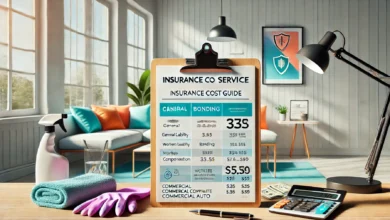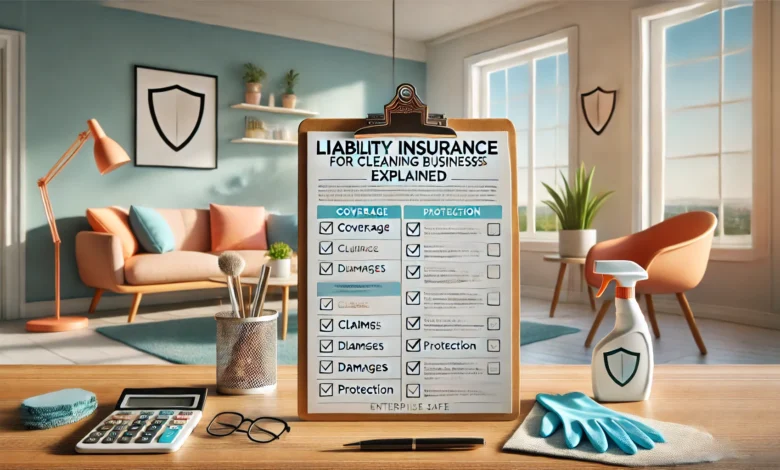
Liability insurance for cleaning businesses is one of the most important protections you can have, whether you operate as a solo cleaner or manage a growing cleaning company. Accidents happen in this industry—items get broken, floors get damaged, and people can get injured. Liability insurance exists to protect your business from financial loss when something goes wrong. This guide explains what liability insurance is, how it works, what it covers, how much it costs, and why it is essential for running a professional cleaning business in 2026.
What Is Liability Insurance?
Liability insurance is a type of business insurance that covers claims related to property damage, bodily injury, or accidents caused by your cleaning services.
For cleaning businesses, liability insurance usually refers to general liability insurance. This policy helps pay for repairs, medical bills, legal fees, or settlements if a client claims your business caused damage or injury.
Without liability insurance, these costs would come directly out of your pocket.
Why Liability Insurance Is Critical for Cleaning Businesses
Cleaning work involves physical activity in other people’s homes and businesses. Even careful, experienced cleaners can cause accidents.
Common risks include:
• Breaking valuable items such as glass tables or décor
• Scratching floors or damaging countertops
• Causing water damage during cleaning
• Clients slipping on wet floors
One serious incident can cost thousands of dollars. Liability insurance protects your income, savings, and reputation.
What Liability Insurance Covers
General liability insurance typically covers three main areas:
Property Damage
If you accidentally damage a client’s property while cleaning, liability insurance can cover repair or replacement costs.
Examples include cracked tiles, damaged furniture, or scratched hardwood floors.
Bodily Injury
If a client or visitor is injured because of your work, liability insurance can help cover medical expenses and legal costs.
This includes slip-and-fall accidents caused by wet floors or cleaning equipment.
Legal Defense and Settlements
If a client files a lawsuit, liability insurance can cover attorney fees, court costs, and settlements up to your policy limits.
Legal costs alone can be devastating without coverage.
What Liability Insurance Does NOT Cover
It’s just as important to understand what liability insurance does not cover.
General liability insurance typically does not cover:
• Theft by employees or cleaners
• Damage to your own equipment
• Employee injuries
• Poor workmanship claims
These risks require other types of coverage such as bonding, workers’ compensation, or commercial property insurance.
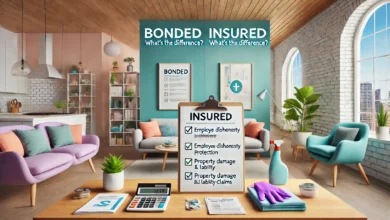
Liability Insurance vs Bonding
Many clients confuse liability insurance with bonding, but they serve different purposes.
Liability insurance protects against accidents and damage.
Bonding protects clients from theft or dishonesty by cleaners.
A professional cleaning business is often both insured and bonded to provide full protection and build trust.
How Much Liability Insurance Costs in 2026
Liability insurance for cleaning businesses is relatively affordable compared to the risks it covers.
Typical annual costs in 2026:
• Solo cleaners: $150 – $500 per year
• Small cleaning companies: $300 – $1,000 per year
• Larger teams or higher coverage limits: $1,000+
Prices depend on business size, coverage limits, location, and claims history.
Common Coverage Limits
Most cleaning businesses choose policies with coverage limits such as:
• $1 million per occurrence
• $2 million aggregate (total per year)
These limits are often required by commercial clients, landlords, or property managers.
Do Independent Cleaners Need Liability Insurance?
Yes. Independent cleaners face the same risks as larger companies.
Even one accident can cost more than years of insurance premiums.
Many clients now ask for proof of insurance before allowing cleaners into their homes.
Being insured helps you win jobs and charge professional rates.
Liability Insurance for Residential vs Commercial Cleaning
Residential cleaning usually requires basic general liability coverage.
Commercial cleaning often requires higher limits, additional endorsements, and proof of insurance.
Commercial clients may also require workers’ compensation and bonding.
Always review contract requirements before accepting commercial jobs.
How to Choose the Right Liability Insurance Policy
When selecting a policy, consider:
• Coverage limits that match your risk level
• Whether subcontractors or employees are covered
• Exclusions related to cleaning chemicals or water damage
• Claims process and customer support
Cheapest is not always best—coverage gaps can be costly.
How Liability Insurance Helps You Get More Clients
Insurance isn’t just protection—it’s a marketing advantage.
Clients feel safer hiring insured cleaners.
Many property managers and businesses won’t work with uninsured providers.
Displaying “licensed and insured” in your marketing builds credibility and trust.
Common Mistakes Cleaning Businesses Make With Insurance
Skipping insurance to save money.
Assuming homeowners’ insurance will cover damages.
Choosing coverage limits that are too low.
Not updating policies as the business grows.
These mistakes can lead to serious financial consequences.
Frequently Asked Questions
Is liability insurance legally required?
It depends on your location, but it is strongly recommended even when not legally required.
Can clients sue me even if I’m insured?
Yes, but insurance helps cover legal costs and settlements.
Does liability insurance cover employee injuries?
No. Employee injuries require workers’ compensation insurance.
How fast can I get insured?
Many providers offer same-day or next-day coverage.
Conclusion
Liability insurance for cleaning businesses is not an optional expense—it’s a foundational part of operating professionally and responsibly. From broken items to slip-and-fall accidents, the risks in cleaning are real, and the financial consequences can be severe without coverage.
For a relatively low annual cost, liability insurance protects your income, your reputation, and your peace of mind. It also helps you attract better clients, qualify for commercial contracts, and grow with confidence.
In 2026, a cleaning business without liability insurance is taking unnecessary risks. With the right coverage in place, you can focus on delivering great service while knowing your business is protected.