A cleaning business plan template guide helps you turn a simple idea into a structured, profitable business. Whether you’re starting a solo house cleaning service or planning to grow a residential or commercial cleaning company, a clear business plan gives you direction, prevents costly mistakes, and improves your chances of long-term success. This guide explains each section of a cleaning business plan in plain language, shows how to fill it out realistically, and helps you adapt it to your goals in 2026.
Why You Need a Cleaning Business Plan
Many people start cleaning businesses informally, assuming demand alone will guarantee success. While cleaning services are always needed, businesses without a plan often struggle with pricing, scheduling, and profitability.
A cleaning business plan helps you:
• Define your services and target market clearly
• Set pricing that covers costs and generates profit
• Understand startup and operating expenses
• Plan marketing and client acquisition
• Prepare for growth, hiring, or expansion
Even a simple plan puts you ahead of many competitors.
What a Cleaning Business Plan Should Include
A strong cleaning business plan doesn’t need to be long or complicated. It should clearly explain what you do, who you serve, how you make money, and how you operate.
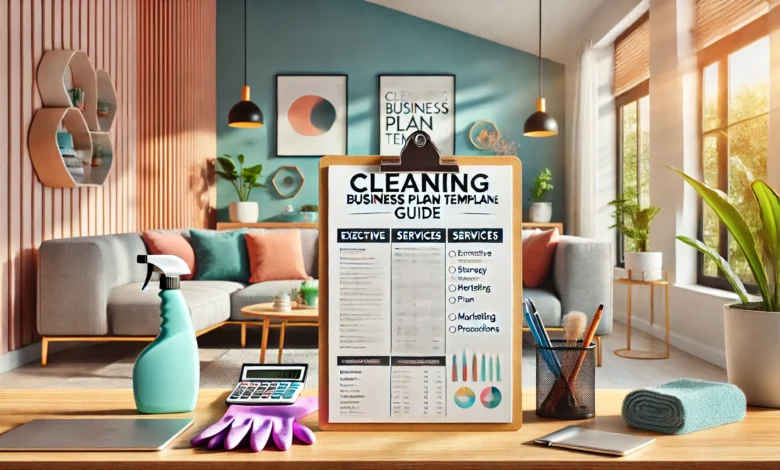
Most cleaning business plans include the following sections:
• Executive summary
• Business description
• Services offered
• Target market and customers
• Pricing and revenue model
• Marketing and sales strategy
• Operations plan
• Startup and ongoing costs
• Growth and scaling plan
The sections below explain each part in detail.
Executive Summary
The executive summary is a high-level overview of your cleaning business. Even though it appears first, it’s often easiest to write it last.
This section should briefly answer:
• What type of cleaning business are you starting?
• Who are your ideal customers?
• What makes your service different?
• What are your income goals?
Example:
“ABC Home Cleaning is a residential cleaning service serving busy professionals and families in the local area. We specialize in recurring weekly and biweekly cleanings, with additional deep cleaning and move-out services. Our goal is to build a reliable, insured cleaning business generating consistent monthly revenue within the first year.”
Business Description
This section explains the basics of your business structure and purpose.
Include:
• Business name
• Business structure (sole proprietorship, LLC, etc.)
• Location and service area
• Mission or core values
This is where you clarify whether you focus on residential, commercial, or specialty cleaning.
Tip: Keep this practical, not overly formal.
Services Offered
Clearly list the cleaning services you plan to offer.
Common cleaning services include:
• Standard house or apartment cleaning
• Deep cleaning
• Move-in and move-out cleaning
• Short-term rental cleaning
• Add-on services such as oven or fridge cleaning
Describe what’s included at a high level, not every small detail.
This section helps prevent confusion and supports accurate pricing.
Target Market and Ideal Customers
Your target market defines who you want to serve.
Instead of saying “everyone,” be specific.
Examples of target markets:
• Busy professionals and dual-income households
• Families with children
• Renters and landlords
• Property managers
• Short-term rental hosts
Knowing your audience helps you tailor pricing, marketing, and messaging.
Pricing and Revenue Model
This is one of the most important parts of your cleaning business plan.
Explain how you will charge for services.
Common pricing models include:
• Hourly pricing
• Flat-rate pricing
• Square-foot pricing
Also explain:
• Average price per job
• How often clients book services
• Expected monthly revenue targets
Example:
“Standard cleanings are priced at a flat rate based on home size. Recurring clients receive discounted rates. Our average job value is $150, with a goal of 20 recurring clients within six months.”
Marketing and Sales Strategy
This section explains how you will get clients.
Include both short-term and long-term strategies.
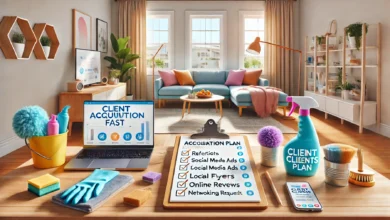
Common marketing methods for cleaning businesses include:
• Word-of-mouth referrals
• Local online listings
• Community groups and neighborhood outreach
• Flyers and door hangers
• Partnerships with real estate agents or property managers
Also describe how customers will book and pay.
Clear marketing plans reduce guesswork and wasted effort.
Operations Plan
The operations plan explains how the business runs day to day.
Cover topics such as:
• Scheduling and availability
• Cleaning checklists and standards
• Supplies and equipment
• Quality control
• Customer communication
If you plan to hire employees later, mention basic training and supervision ideas.
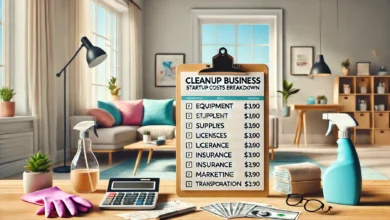
Startup Costs and Ongoing Expenses
This section outlines what it will cost to start and operate your cleaning business.
Startup costs may include:
• Business registration
• Insurance and bonding
• Cleaning supplies and equipment
• Marketing and branding
Ongoing expenses often include:
• Supplies replacement
• Fuel and transportation
• Insurance renewals
• Software or tools
Being realistic here prevents cash flow problems later.
Growth and Scaling Plan
Even if you’re starting small, think ahead.
This section explains how you might grow over time.
Examples include:
• Adding recurring clients
• Expanding service areas
• Hiring employees
• Offering commercial cleaning
Growth plans don’t need exact dates — just direction.
Pros and Cons of Using a Business Plan Template
Pros:
• Provides structure and clarity
• Saves time
• Reduces overlooked details
• Helps with pricing and decision-making
Cons:
• Can feel unnecessary for very small operations
• Overplanning can delay action
The goal is clarity, not perfection.
Common Mistakes to Avoid
Many cleaning business plans fail due to avoidable errors.
Common mistakes include:
• Unrealistic income expectations
• Underestimating expenses
• Vague target market definitions
• No clear pricing strategy
• Ignoring marketing entirely
A simple, honest plan is more useful than an overly optimistic one.
Frequently Asked Questions
Do I need a business plan to start a cleaning business?
No, but having one greatly improves your chances of success.
How long should a cleaning business plan be?
Most cleaning business plans can be 2–5 pages and still be effective.
Can I change my plan later?
Yes. A business plan should evolve as your business grows.
Is this plan useful for loans or investors?
Yes, especially if you expand into commercial or larger operations.
Conclusion
A cleaning business plan template guide gives you a practical roadmap for starting and growing a cleaning business the right way. It helps you define your services, price confidently, attract clients, and avoid common early mistakes.
You don’t need a perfect plan — you need a clear one. By taking the time to outline your goals, costs, and strategies, you create a strong foundation for consistent income and long-term success.
In a competitive cleaning market, clarity is a powerful advantage. A simple, well-thought-out business plan turns effort into direction and direction into results.